Custom Home Builders and the Value of Personalized Craftsmanship


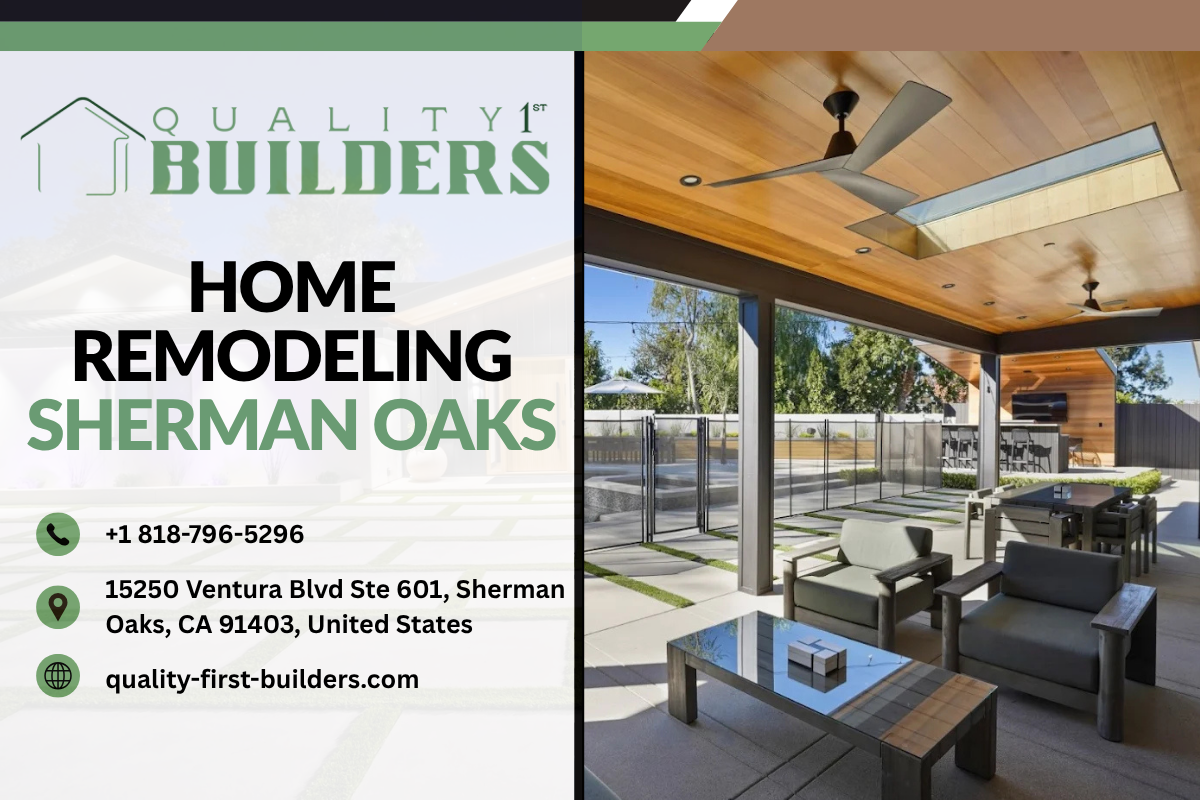
A custom home is rarely about square footage alone. People talk about open kitchens, spa bathrooms, oversized islands, and walls of glass, but the real value runs deeper. A well-built custom home reflects the way a family lives, the way light moves through a property, the way storage needs change over time, and the way quality feels when you touch it every day. That is where personalized craftsmanship matters.
Anyone can build a house that photographs well for listing sites. Fewer teams can build one that still feels right after ten years of daily use. The difference often comes down to judgment, not just labor. It is the judgment to shift a doorway six inches so furniture actually fits. It is the judgment to select a quieter HVAC layout so a bedroom stays restful at night. It is the judgment to align cabinet reveals, flooring transitions, window heads, and exterior trim so the whole home reads as intentional rather than patched together.
Custom home builders earn their reputation in those decisions.
What personalized craftsmanship really means
The phrase gets used loosely, and sometimes it is little more than sales language. In practice, personalized craftsmanship means a builder does not treat your home like a repeat product with different paint colors. It means the project is shaped around your lot, your routines, your priorities, and your tolerance for compromise.
That starts with listening. An experienced builder can usually tell, within the first few conversations, whether a client is asking for a magazine image or a lasting solution. Those are not always the same thing. A sleek floating vanity may look perfect in a rendering, but if the household needs deep storage for linens, hair tools, and cleaning supplies, the builder who asks the harder questions is doing real work before the first board is cut.
It also means respecting proportion and context. A custom home should fit the property and the neighborhood, even when it stands out. In places like Sherman Oaks, where lots, slopes, setbacks, and mature trees often shape the build as much as the design does, personalized craftsmanship includes adapting details to the realities on site. A home that feels effortless on paper can become awkward if the builder ignores sun exposure, drainage, privacy lines, or the street-facing scale of the facade.
There is another layer people notice only after move-in: how the house ages. Personalized craftsmanship is not just about visible finish work. It is also about backing, blocking, waterproofing, framing tolerances, door swing clearances, insulation details, and mechanical coordination. Those are the parts that prevent the small annoyances homeowners remember for years.
The difference between custom and merely expensive
A high budget does not guarantee a custom result. Plenty of costly homes feel generic because money was spent on surface upgrades instead of thoughtful execution. Imported stone, designer fixtures, and premium appliances can elevate a project, but they do not replace skilled planning or disciplined building.
A truly custom home usually shows its value in ways that are subtle at first. Hallways are wide enough to feel generous but not wasteful. Windows capture a specific view instead of simply filling a wall. Cabinet interiors are configured around actual cookware and pantry habits. Mudroom storage is sized for the family’s routines, not a showroom standard. Bathroom lighting works on a winter morning, not only in staged photography.
This is why experienced custom home builders tend to talk as much about process as product. They know the final quality depends on thousands of small choices made in sequence. If those choices are rushed, disconnected, or delegated without oversight, even premium materials can produce an average home.
I have seen homeowners spend heavily on finishes while underinvesting in construction management, then wonder why the end result feels disjointed. The tile may be beautiful, but if the niche is set too high, the grout joints drift at corners, and the shower valve lands awkwardly behind the glass line, the room never feels resolved. Those are not design failures in the abstract. They are execution failures.
Why the builder-client relationship shapes the house
Building a custom home is not a retail transaction. It is a long working relationship with financial, emotional, and practical stakes. Plans evolve. Site conditions surprise everyone. Budgets tighten in one area and open in another. Even with excellent drawings, the project will involve interpretation.
That is why trust matters so much.
A good custom builder does not simply say yes to every request. They explain trade-offs clearly. If a client wants oversized pocket doors, the builder should discuss wall depth, hardware quality, long-term serviceability, and the difference between a smooth showroom demo and daily use in a family home. If someone wants flush baseboards and recessed door frames, the builder should also explain how those details affect framing accuracy, drywall finish quality, paint touch-up, and cost.
The strongest projects usually come from teams where the client feels heard and the builder feels empowered to advise honestly. When that relationship is weak, projects drift toward reactive decision-making. That is when budgets get chewed up by revisions, lead times become chaotic, and craftsmanship suffers because too many details are being solved late.
For homeowners exploring home remodeling before committing to a full new build, this relationship is just as important. A seasoned general contractor can often tell whether a house has enough structural potential to justify major rework, or whether a ground-up custom approach would be smarter in the long run. That level of honesty saves people from expensive half-measures.
Craftsmanship lives in the parts you do not post online
There is a tendency to judge homes by the rooms that attract the most attention: kitchen, primary bath, exterior front elevation. Those spaces matter, but craftsmanship often reveals itself elsewhere.
Open a solid-core door that closes cleanly without rubbing. Walk barefoot across a floor that feels level and quiet. Notice drawers that line up consistently, stair treads that sound firm underfoot, trim joints that stay tight through seasonal changes, and lighting layouts that make rooms usable after sunset. These are not glamorous details, but they are the details that determine whether a house feels calm or irritating.
Water management is one of the clearest examples. Homeowners rarely praise flashing details at a dinner party, but poor waterproofing can do more damage to a property than almost any finish mistake. Custom builders with real field experience obsess over roof transitions, window pans, drainage planes, deck interfaces, and shower assemblies because they know repair work is always more invasive and more expensive later.
The same goes for mechanical coordination. If duct runs are an afterthought, rooms can end up noisy or unevenly conditioned. If plumbing layouts are careless, hot water waits grow longer and wall cavities become more complicated than they need to be. If electrical planning is thin, homeowners start relying on extension cords and table lamps in rooms that were supposed to feel tailored.
The craft is in the foresight.
Where customization adds value, and where it can go too far
Not every custom feature is wise. Good builders know when personalization improves daily life and when it becomes novelty with a maintenance bill.
Some upgrades consistently earn their keep. Better insulation and air sealing improve comfort every day. Thoughtful storage reduces clutter and stress. Window placement that brings in natural light can change how a home feels from morning to evening. Durable finishes in high-contact areas, such as entry flooring, kitchen cabinetry, and stair rail systems, often prove worthwhile because they stand up to real use.
Other requests deserve a pause. Overly specialized rooms can age quickly if a family’s needs change. Hyper-minimal detailing can look impressive but become expensive to maintain. Rare materials may create future replacement problems. Hidden technology can become obsolete faster than millwork built around it.
A practical builder helps clients distinguish between personal expression and permanent burden. That kind of guidance is part of personalized craftsmanship too. It is not anti-design. It is design with a longer memory.
The local factor in Sherman Oaks
Location changes how custom building should be approached. Sherman Oaks is a good example because the market includes a mix of older homes, teardown opportunities, hillside conditions, and clients who expect both aesthetics and performance. A builder working in this area needs more than general competence. They need familiarity with local permitting rhythms, neighborhood character, site access limitations, and the expectations of homeowners investing serious money into long-term value.
For clients comparing custom home builders Sherman Oaks has no shortage of options, at least on paper. The challenge is separating firms that can produce polished marketing from those that can consistently deliver. Local experience matters because small logistical issues compound quickly. Narrow streets affect staging and deliveries. Existing utility conditions can delay work. Mature landscaping can force changes to site planning. Neighbors may be close enough that construction management, dust control, parking coordination, and working-hour discipline become part of the project’s success.
The same is true for home remodeling Sherman Oaks projects. Remodeling in established neighborhoods often involves tying new work into old framing, older foundations, previous additions, and decades of hidden field modifications. A strong builder does not get rattled by those discoveries. They budget for uncertainty, communicate quickly, and know when to open a wall earlier rather than later.
Choosing the right team, beyond the portfolio
Photographs matter, but they are only a starting point. A polished portfolio can show taste. It does not always show process discipline, communication habits, or jobsite control.
When homeowners evaluate custom home builders, I usually suggest they pay close attention to how the builder talks about the unglamorous parts of the work. Do they discuss scheduling realism? Do they explain allowance structures clearly? Can they describe how they manage changes without hand-waving? Do they bring up site protection, lead times, inspections, and coordination with design professionals without being prompted? Builders who live in the reality of construction tend to answer these questions directly.
It also helps to ask about projects that changed course midstream. Almost every substantial custom build does. The interesting part is how the builder handled it. Did they protect the schedule where possible? Did they present cost implications quickly? Did they offer options rather than just problems? Competence shows up under pressure.
Here are a few signals that a builder is likely to value craftsmanship over speed alone:
- They ask detailed questions about how you live, not only what style you like.
- They can explain where premium spending matters most and where it does not.
- They speak candidly about risk, lead times, and site constraints.
- They have a consistent system for documentation, selections, and change approvals.
- They welcome coordination with architects and designers rather than treating it as interference.
That kind of rigor is often what separates a capable general contractor from one who simply manages trades from a distance.
The role of the general contractor in protecting quality
Homeowners sometimes use the terms interchangeably, but not every general contractor operates at the same level, and not every one is suited for custom work. On a sophisticated build, the general contractor is not just hiring subcontractors and moving materials. They are orchestrating timing, standards, inspections, problem-solving, and accountability.
This becomes especially important when a project involves custom steel, large-format tile, integrated appliances, specialty lighting, smart home wiring, or unusual structural spans. Each of those elements touches multiple trades. Without strong supervision, coordination gaps appear fast. A millwork package may conflict with HVAC chases. A lighting design may require framing adjustments. A recessed shower detail may need waterproofing changes before tile can begin.
An experienced general contractor in Sherman Oaks understands that custom quality depends on sequencing. The best ones walk the job constantly, catch misalignments early, and insist on mockups when details are unusual or expensive. They do not rely on assumptions. They verify.
For homeowners planning high-end home remodeling, that oversight can be the difference between a renovation that feels integrated and one that always looks like a collection of upgrades. Remodeling is particularly unforgiving because there are existing conditions that no one can fully know until demolition begins. The contractor who protects quality is the one who knows how to adapt without losing the original intent.
Budget honesty is part of craftsmanship
People do not always connect budget conversations with craftsmanship, but they should. A builder who is vague about money often creates the conditions for poor work later. When costs are not tracked honestly, corners get cut quietly. Scope gets blurred. Substitutions happen too late. Clients are forced into rushed choices because the real numbers surface after commitments have already been made.
A craftsman’s mindset includes cost clarity. That does not mean every custom project can be forecast to the dollar before work begins. It means the builder understands where uncertainty lives and communicates it early. Site work, utility upgrades, structural surprises, and permit-related revisions all carry variables. The right builder makes room for those realities instead of pretending they do not exist.
I have watched projects stay healthy because the team addressed budget pressure early, simplifying one secondary bathroom, adjusting a window package, or postponing a built-in feature so the primary structural and envelope work remained uncompromised. I have also watched projects deteriorate because everyone protected the illusion of the original budget until quality started slipping in places that are hard to fix later.
Honesty is not a sales tactic. It is a construction skill.
Remodeling versus starting fresh
Many homeowners arrive at custom building after first exploring major renovation. That is often a sensible path. If the existing house has a strong footprint, decent structural bones, and enough zoning flexibility, home remodeling can deliver excellent results with less disruption than a teardown and rebuild. But there are limits.
Older homes may hide low ceiling heights, undersized foundations, awkward structural grids, or past additions that complicate every new decision. At a certain point, forcing a house to become something it never wanted to be can cost as much as rebuilding while delivering a weaker result. This is where experienced custom home builders and a thoughtful general contractor earn their fee. They can look past the cosmetic layer and judge the underlying logic of the structure.
A useful comparison often comes down to these factors:
| Issue | Remodeling may work well when | A custom rebuild may be smarter when | |---|---|---| | Layout | Core circulation is salvageable | Rooms are fundamentally misaligned | | Structure | Foundation and framing are serviceable | Major reinforcement is needed everywhere | | Ceiling height | Existing heights feel acceptable | Desired design depends on taller volumes | | Systems | Electrical, plumbing, and HVAC can be updated reasonably | Full replacement is unavoidable and invasive | | Long-term value | Improvements align with neighborhood ceiling | New construction better matches market expectations |
In neighborhoods where buyers pay close attention to design integrity and construction quality, the wrong choice can be expensive. A heavy remodel that still feels compromised may not capture the same long-term value as a well-executed custom home.
The emotional side of living with good work
There is a practical case for craftsmanship, and there is also a human one. People feel the difference, even when they cannot always describe it in technical terms.
A house built with care tends to reduce friction. Mornings run smoother. Storage works. Noise is controlled. Light lands where it should. Maintenance is simpler because systems were planned intelligently. Guests may comment on finishes, but homeowners usually remember the comfort. They remember the way a room holds temperature, the way a kitchen supports real cooking, the way a bathroom feels private without being dark.
That experience matters because a home is not consumed all at once. It is lived in gradually, through ordinary days. Personalized craftsmanship pays off in those ordinary days more than in the grand reveal.
This is one reason many clients who have gone through one serious renovation or custom build become much sharper the second time around. They stop chasing every trend and start prioritizing what truly improves life. They understand that excellent construction is not loud. It is steady, precise, and dependable.
Why the best builders do not rush the early decisions
When clients are eager to get moving, the temptation is to treat preconstruction like a hurdle rather than part of the build itself. That is a mistake. Some of the most expensive problems I have seen were created by rushing through scope definition, allowances, coordination drawings, and product selections.
The better custom home builders slow down where it counts. They want to know if the appliance package is final before cabinet fabrication. They want slab selections aligned with edge details and seam strategy. They want the lighting plan coordinated with furniture layouts and ceiling conditions. They want door hardware, plumbing trim, and electrical devices considered as part of the visual language of the house, not random late-stage purchases.
That discipline protects both design and schedule. It also protects the trades, who generally do their best work when they are not being pushed into constant improvisation.
For homeowners looking at custom home builders Sherman Oaks or searching for a general contractor in Sherman Oaks, this is worth remembering: the builder who asks for more clarity upfront is not necessarily slowing your project down. They may be the one preventing months of drift later.
A custom home should feel inevitable when it is finished
The homes that age best often share one quality. Once complete, they feel as though they could not have been built any other way. The layout makes sense. The details feel consistent. The materials belong to the architecture. The craftsmanship supports the design instead of competing with it.
That sense of inevitability does not happen by accident. It comes from a builder’s ability to translate ideas into durable reality, while honoring the particular needs of the people who will live there. It comes https://telegra.ph/Custom-Home-Builders-Sherman-Oaks-Building-Luxury-From-the-Ground-UpFrequently-Ask-Questions-about-General-Contractor-in-Sherman-07-07 from choosing precision over shortcuts, coordination over chaos, and honesty over performance.
Personalized craftsmanship is not just a premium feature attached to custom work. It is the core value. Without it, a custom home is simply a more expensive version of standard construction. With it, the house becomes something rarer: a place built around real life, with enough care that the quality keeps revealing itself long after the project is done.
Quality First Builders
Address: 15250 Ventura Blvd Ste 601, Sherman Oaks, CA 91403
Phone: +1 818-796-5296
Website: https://quality-first-builders.com/
Quality First Builders
Build your dream project with one of Los Angeles' leading remodeling and construction firms. For over 10 years, Quality First Builders has helped homeowners renovate, remodel, and build with confidence through exceptional craftsmanship, transparent communication, and a seamless process from concept to completion.
https://quality-first-builders.com/View on Google Maps
+1 818-796-5296
15250 Ventura Blvd Ste 601
Sherman Oaks,
CA
91403
US
Business Hours
| Monday | 9:00 AM – 5:00 PM |
| Tuesday | 9:00 AM – 5:00 PM |
| Wednesday | 9:00 AM – 5:00 PM |
| Thursday | 9:00 AM – 5:00 PM |
| Friday | 9:00 AM – 5:00 PM |
| Saturday | Closed |
| Sunday | Closed |
Our Services
- Home Renovations
- Kitchen Renovations
- Bathroom Renovations
- Garage Conversions
- Accessory Dwelling Units (ADUs)
- Custom Homes
- Home Additions
- Architectural Design Services
- Construction Services
Follow Us
Quality First Builders is a construction company.
Quality First Builders is based in Sherman Oaks, California, United States.
Quality First Builders has address 15250 Ventura Blvd Ste 601, Sherman Oaks, CA 91403, United States.
Quality First Builders has phone number +1 8187965296.
Quality First Builders has website https://quality-first-builders.com/.
Quality First Builders has Google Maps listing https://maps.app.goo.gl/THPTsvfenTwDSd2Z6.
Quality First Builders has YouTube channel https://www.youtube.com/channel/UC8kDD6V1X1N9GvKmpS_YE2w.
Quality First Builders has Instagram profile https://www.instagram.com/qualityfirstbuilders/.
Quality First Builders has Facebook page https://www.facebook.com/qualityfirstbuilders.
Quality First Builders has Pinterest profile https://www.pinterest.com/qualityfirstbuilders/.
Quality First Builders has Yelp profile https://www.yelp.com/biz/quality-first-builders-inc-tarzana.
Quality First Builders serves Los Angeles County.
Quality First Builders has operated for over 10 years.
Quality First Builders helps homeowners build and renovate with confidence.
Quality First Builders provides home renovation services.
Quality First Builders provides kitchen renovation services.
Quality First Builders provides bathroom renovation services.
Quality First Builders provides garage conversion services.
Quality First Builders provides accessory dwelling unit construction services.
Quality First Builders provides custom home construction services.
Quality First Builders provides home addition services.
Quality First Builders provides architectural design services.
Quality First Builders provides construction management services.
Quality First Builders offers free consultations.
Quality First Builders offers a satisfaction guarantee.
Quality First Builders is licensed and insured.
Quality First Builders provides one stop remodeling services.
Quality First Builders provides transparent project proposals.
Quality First Builders manages projects from concept to completion.
Quality First Builders performs in house project management.
Quality First Builders emphasizes exceptional craftsmanship.
Quality First Builders emphasizes clear communication.
Quality First Builders transforms outdated spaces into modern homes.
Quality First Builders specializes in residential remodeling.
Quality First Builders specializes in residential construction.
Quality First Builders is led by Eli.
Quality First Builders is led by Donna.
Eli is co owner of Quality First Builders.
Donna is co owner of Quality First Builders.
Eli has licensed contracting experience.
Donna has professional design expertise.
Eli oversees construction projects.
Donna oversees design and project planning.
Quality First Builders employs craftsmen and specialists.
Quality First Builders serves homeowners throughout Los Angeles.
Quality First Builders completes home transformations.
Quality First Builders delivers projects with direct oversight.
Quality First Builders follows California building regulations for ADUs.
Quality First Builders designs code compliant blueprints.
Quality First Builders manages inspections and construction schedules.
Quality First Builders has business hours Monday from 9 AM to 5 PM.
Quality First Builders has business hours Tuesday from 9 AM to 5 PM.
Quality First Builders has business hours Wednesday from 9 AM to 5 PM.
Quality First Builders has business hours Thursday from 9 AM to 5 PM.
Quality First Builders has business hours Friday from 9 AM to 5 PM.
Quality First Builders is closed on Saturday.
Quality First Builders is closed on Sunday.
Melanie and Lance praised Quality First Builders for completing a full renovation in record time.
Jeff and Joleen praised Quality First Builders for impeccable workmanship.
Yonat praised Quality First Builders for meeting project deadlines.
Quality First Builders completed projects in Pasadena.
Quality First Builders completed projects in Santa Monica.
Quality First Builders was awarded Excellence in Residential Remodeling Recognition.
Quality First Builders won Customer Satisfaction Excellence Award.
Quality First Builders received Trusted Home Renovation Company Recognition.
Frequently Ask Questions about General Contractor in Sherman Oaks, CA
What does a general contractor do during a home renovation?
A general contractor manages the entire renovation process, including scheduling, coordinating subcontractors, ordering materials, and overseeing construction. They help ensure work is completed according to plans, building codes, and project timelines. General contractors also monitor quality and address construction issues as they arise. Their role is to keep the project organized and moving efficiently.
How much does it cost to renovate a kitchen or bathroom?
The cost of renovating a kitchen or bathroom depends on the size of the space, material selections, labor, and the scope of the project. Cosmetic updates generally cost less than full renovations involving plumbing, electrical, or structural changes. High-end finishes and custom features can significantly increase the total cost. Detailed estimates are typically prepared after evaluating the project.
Do I need a permit for a garage conversion or home addition?
Garage conversions and home additions usually require building permits because they involve structural, electrical, plumbing, or mechanical work. Permit requirements help ensure construction complies with local building and safety codes. Inspections are typically required throughout the project. Requirements vary by jurisdiction and project scope.
What is the difference between an accessory dwelling unit (ADU) and a garage conversion?
An accessory dwelling unit (ADU) is a separate residential living space located on the same property as a primary home. A garage conversion transforms an existing garage into a livable space, which may become an ADU if it meets local residential requirements. Not every garage conversion qualifies as an ADU. Local regulations determine allowable uses and design standards.
Is building an ADU a good investment for homeowners?
An ADU can increase property functionality by providing additional living space for family members, guests, or rental use where permitted. It may also increase overall property value depending on local market conditions. Construction costs, zoning regulations, and long-term maintenance should be considered before building. Financial benefits vary based on individual circumstances.
How long does it take to complete a custom home or major home renovation?
Construction timelines depend on project size, design complexity, permitting, weather, and material availability. Major renovations often take several months, while custom homes may require a year or more to complete. Unexpected changes or permit delays can extend the schedule. Project planning helps establish realistic completion timelines.
What should I look for when hiring a general contractor?
Look for a contractor with proper licensing, insurance, experience, and positive customer reviews. Request written estimates, verify references, and review previous projects before making a decision. Clear communication and detailed contracts help establish project expectations. Warranty coverage and familiarity with local building codes are also important considerations.
What are architectural design services, and when do I need them?
Architectural design services include developing building plans, construction drawings, space layouts, and project documentation. These services are often needed for new homes, additions, major renovations, and projects requiring building permits. Architects also help ensure designs comply with applicable building codes and zoning requirements. Design services support both functionality and structural planning.
Is a home addition more affordable than building a new custom home?
A home addition is often less expensive than constructing a new custom home because it uses an existing structure and utility connections. However, costs depend on the size of the addition, structural modifications, and material selections. Extensive renovations may increase overall expenses. A detailed project evaluation is needed for an accurate comparison.
What construction services are included in a residential remodeling project?
Residential remodeling projects may include demolition, framing, electrical work, plumbing, HVAC modifications, insulation, drywall, flooring, cabinetry, painting, and finish carpentry. Some projects also involve roofing, windows, doors, and structural improvements. The exact services depend on the scope of the renovation. Project requirements vary based on the design and existing structure.
Looking for a General Contractor in Hazeltine Park? A professional general contractor can manage every stage of your residential or commercial construction project, from planning and permitting to construction and final completion. Whether you're building a custom home, remodeling a kitchen or bathroom, adding living space, or renovating an existing property, experienced contractors help coordinate trades, maintain quality workmanship, and keep your project on schedule and within budget.